
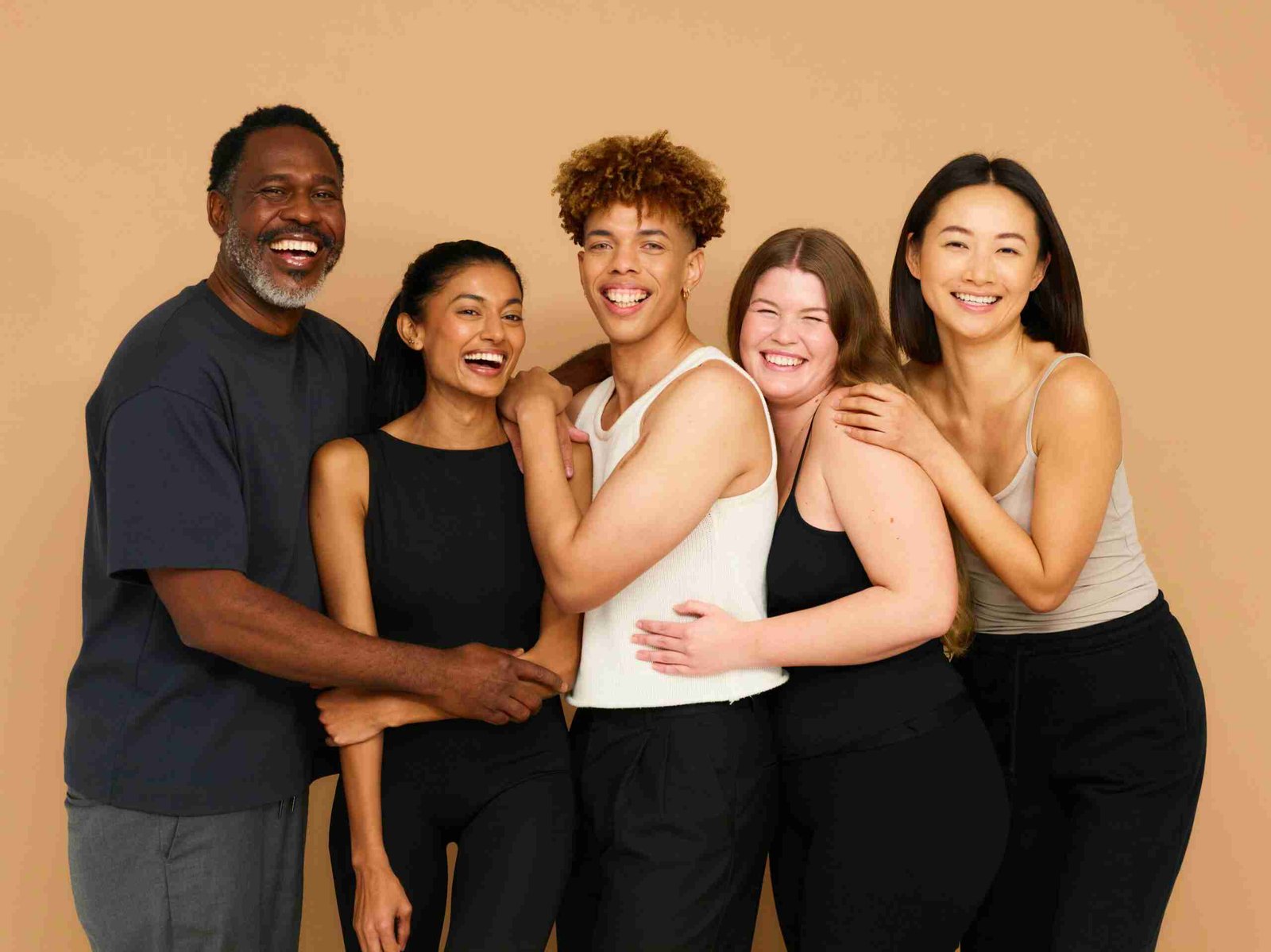
Diversity in business is not just a buzzword, but a decisive factor for success. Studies show that diverse teams are more innovative, make better decisions, and are more successful economically in the long term. But how can diversity, equity, and inclusion (DEI) be specifically anchored in recruiting? In this article, you will learn why a diverse team is so valuable and what concrete steps you should take when selecting personnel.
Why diversity, equity, and inclusion are crucial in recruiting
A diverse team brings together different perspectives, experiences, and skills. This not only promotes creativity and innovation, but also increases employee satisfaction. Companies that take DEI seriously benefit from:
- Greater innovative strength: Different perspectives and experiences generate new ideas.
- Better decisions: Diversity leads to a broader analysis of problems and more informed solutions.
- Increased employer attractiveness: Companies that actively promote diversity attract talent from a wide variety of backgrounds.
- Better economic results: Studies show that diverse teams often work more successfully.
1. Diversity begins with an inclusive corporate culture
Before diversity can be anchored in recruiting, the company must create a culture in which all employees feel valued and integrated. This means:
- Define a clearDEI strategy.
- Rethink corporate values and formulate them inclusively.
- Offer training sessions and workshops on unconscious bias.
- Actively living inclusion: through transparent communication and an open feedback culture.
2. Formulate job advertisements inclusively
The language used in job advertisements has a major influence on who feels addressed. Make sure that your advertisements:
- Formulatedin a gender-neutralmanner (e.g., "project management (m/f/d)" instead of "project manager").
- Are non-discriminatory and diversity-sensitive(no wording that reflects unconscious biases).
- Focus on skills and experiencerather than specific qualifications or resumes.
- Emphasize flexible working modelsand other benefits for diverse talents.
3. Diversify application processes
An inclusive job advertisement is not enough—the entire application process should be geared toward promoting diversity:
- Anonymous applications: Refrain from including photos, names, or dates of birth to minimize unconscious bias.
- Structured interviews: Standardized questions for all applicants prevent unconscious biases.
- Diverse selection committees: Different perspectives help to make more objective decisions.
- Use tests and work samplesto assess competence rather than background or origin.
4. Proactively approaching diverse talents
To recruit truly diverse teams, it is not enough to wait for applications. Make targeted use of:
- Networks and platforms that appeal to diverse professionals (e.g., women's networks, LGBTIQ+ communities, international job portals).
- Active sourcing to specifically target talent from diverse backgrounds.
- Partnerships with organizations that support underrepresented groups.
- Employee referral programs that reward diversity.
5. Promote and measure diversity in the long term
Diversity, equity, and inclusion do not end with hiring—long-term integration is crucial. Companies should:
- Collect DEI metrics: Who is being hired? Who is staying? Who is being promoted?
- Obtain feedback: Regularly survey employees about their perceptions of diversity and inclusion.
- Set up mentoring programs that specifically promote diverse talents.
- Highlight success stories to establish diversity as an integral part of corporate culture.
Conclusion: Using diversity as a competitive advantage
A consciously diverse recruitment process not only brings your company social recognition, but also demonstrable advantages in innovation, productivity, and economic success. Diversity, equity, and inclusion should therefore not be a one-time initiative, but an integral part of your recruiting strategy. Start today and build a team that not only values diversity, but actively lives it!